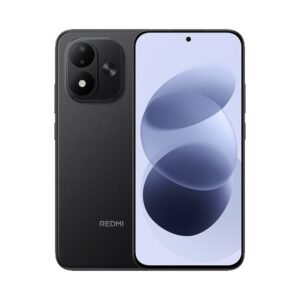
Xiaomi just split its new Redmi Note 17 into two EU versions, launching a 5G model and a 4G model side by side. On paper they look almost identical: same massive 6.99-inch AMOLED screen, same 7,700mAh battery, same 50MP camera. So what’s actually different, and which one is worth pre-ordering?

Both are currently up for grabs on Gshopper as (Early Bird pre-order deals), each with its own $20-off coupon code and an extra 4.5% off if you pay by bank transfer, but only for the first 50 units. Here’s exactly how they compare, and which one makes more sense for your budget.
Quick Verdict
If you only remember one thing: the 5G and 4G models share the same screen, battery, camera, and design. The real difference comes down to the chipset – one supports 5G networks, the other doesn’t-, plus a couple of extra RAM/storage tiers on the 4G side. If you want a phone that’ll still make sense on your carrier in 2-3 years, go 5G. If you’re on a tight budget and don’t need 5G right now, the 4G model saves you money for basically the same everyday experience.
Redmi Note 17 5G vs 4G: Full Spec Comparison
| Spec | Redmi Note 17 5G 🔥 | Redmi Note 17 4G |
|---|---|---|
| Display | 6.99″ AMOLED, 120Hz, 1800 nits, Gorilla Glass 7i | Identical |
| Chipset | Snapdragon 4 Gen 4 (4nm) – More Powerful | Snapdragon 6s 4G Gen 2 (6nm) |
| Network | 5G + 4G/3G/2G ✅ | 4G/3G/2G Only – No 5G ❌ |
| GPU | Adreno 613 | Adreno 610 |
| RAM / Storage | 6GB/128GB, 6GB/256GB, 8GB/256GB | 4GB/128GB, 6GB/128GB, 4GB/256GB, 6GB/256GB, 8GB/256GB |
| Rear Camera | 50MP, f/1.8 | Identical |
| Front Camera | 16MP, f/2.5 | Identical |
| Battery | 7,700mAh, 45W Wired Charging | Identical |
| Build | Plastic Back/Frame, Gorilla Glass 7i Front, IP65 Rated | Identical |
| Bluetooth | 5.1 | 5.0 |
| Weight | 225g | 224g |
| OS | Android 16, HyperOS 3 | Identical |
| Colors | Celestial Purple, Sky Teal, Black | Identical |
What’s Exactly the Same
This is the part that surprises people: strip away the chipset, and these are the same phone.
– Display: Both get the same 6.99-inch AMOLED panel with a 120Hz refresh rate and a 1,800-nit peak brightness — genuinely bright for a budget-tier phone.
– Battery and charging: Both pack a 7,700mAh battery with 45W wired charging, which is a big number for this price bracket and should easily get most users through a full day and then some.
– Camera: Same 50MP f/1.8 main shooter and 16MP selfie camera on both. Neither gets an ultra-wide lens this generation, so don’t expect that from either version.
– Build and durability: Both share the same Gorilla Glass 7i front, plastic back and frame, and IP65 splash/dust resistance.
– Software: Android 16 with HyperOS 3 on top, on both models.
The One Difference That Actually Matters: The Chipset
This is where the two phones split. The 5G model runs a Snapdragon 4 Gen 4 (4nm), while the 4G model runs a Snapdragon 6s 4G Gen 2 (6nm), an older, 4G-only platform. In practice, this means:
– Only the 5G model connects to 5G networks. The 4G model is capped at 4G/3G/2G — there’s no 5G radio in it at all.
– The 5G model’s chipset is the newer, more efficient design, which should give it a slight edge in day-to-day performance and battery efficiency, even though both phones share the same battery capacity.
– Bluetooth is also a small step up on the 5G model (5.1 vs 5.0).
If your country’s carriers have already rolled out solid 5G coverage or you want a phone that won’t feel dated in a couple of years, this is the deciding factor.
RAM and Storage: The 4G Model Has More Entry-Level Options
One place the 4G model actually pulls ahead is configuration choice. It’s available in five RAM/storage combinations, including a 4GB/128GB entry tier that doesn’t exist on the 5G model:
– 5G model: 6GB/128GB, 6GB/256GB, 8GB/256GB
– 4G model: 4GB/128GB, 6GB/128GB, 4GB/256GB, 6GB/256GB, 8GB/256GB
So if you’re chasing the lowest possible price point, the 4G model gives you a cheaper way in.
Early Bird Pricing & Coupon Codes (Gshopper)
Both phones are live on Gshopper right now as Early Bird pre-orders, and the deal structure is identical for each, just swap the coupon code:
Redmi Note 17 5G 🔥
$20 OFF + Extra 4.5% Bank Transfer
⏰ First 50 Pre-orders | Ends Oct 31, 2026
Redmi Note 17 4G
$20 OFF + Extra 4.5% Bank Transfer
⏰ First 50 Pre-orders | Ends Oct 31, 2026
How to stack the full discount: Apply the coupon code at checkout for the $20 off, then choose bank transfer as your payment method for an additional 4.5% off on top. Gshopper has a step-by-step guide on how bank transfer payments work on their platform if you haven’t used that option before.
Because this is a limited-quantity Early Bird deal (only 50 units per model), it’s worth acting on it sooner rather than later if either phone fits what you need — these tend to sell out before the listed deadline.
Which One Should You Buy?
Get the Redmi Note 17 5G if:
– You want the phone to still make sense on your network in a couple of years
– You travel or plan to switch carriers, and want 5G as a safety net
– You don’t mind paying a bit more for the newer chipset
Get the Redmi Note 17 4G if:
– You’re on a tighter budget and want the lowest entry price
– Your area doesn’t have reliable 5G coverage yet, or your carrier plan doesn’t use it
– You mainly use your phone for calls, messaging, social media, and streaming, nothing that needs 5G speeds
Either way, you’re getting the same screen, same battery, and same camera — so this really comes down to future-proofing versus saving money today.
FAQ
Is the Redmi Note 17 4G really missing 5G entirely?
Yes — it runs the Snapdragon 6s 4G Gen 2 chipset, which has no 5G modem. It’s capped at 4G/3G/2G networks.
Do the 5G and 4G models look different?
No — same dimensions, same colors (Celestial Purple, Sky Teal, Black), and only a 1-gram weight difference between them.
Can I use both coupon codes at once?
No — `RedmiNote175G` only applies to the 5G listing and `RedmiNote174G` only applies to the 4G listing, since they’re separate products.
Is the bank transfer discount worth it?
The extra 4.5% stacks on top of the $20 coupon, so if you’re comfortable paying by bank transfer, it’s extra savings at no added cost. Just check Gshopper’s bank transfer guide first, since it works differently than card payments.